Akcie společnosti Chipotle Mexican Grill (NYSE:CMG) čelí zvýšené pozornosti investorů po prudkém propadu hodnoty a prvním čtvrtletí se záporným růstem tržeb z porovnatelných provozoven (SSSG) od éry krize s bezpečností potravin před deseti lety.
Akcie klesly o zhruba 20 % od posledního maxima. Analytici Bernstein ve své zprávě z pátku zkoumají tři hlavní argumenty pro vznikající medvědí scénář.
Prvním bodem jsou obavy o tržní podíl, kdy investoři očekávají, že Chipotle může ztratit pozici ve prospěch řetězců rychlého občerstvení kvůli rostoucí promo aktivitě konkurence. Bernstein však tvrdí, že Chipotle si udržuje cenovou disciplínu – ceny jsou stále o 15–20 % nižší než u jiných značek, což podle nich posiluje hodnotu nabídky pro zákazníky.
Druhým problémem je nedostatek krátkodobých růstových impulzů tváří v tvář makroekonomickým tlakům. Bernstein připouští, že Q1/2025 byl slabý, ale očekává zotavení již ve druhém čtvrtletí díky zvýšeným letním marketingovým výdajům (+30 % meziročně), zlepšení rychlosti odbavení objednávek a nové sezónní nabídce.
Třetím bodem je obava, že Chipotle vstupuje do fáze pomalejšího růstu a měl by být oceněn konzervativněji.
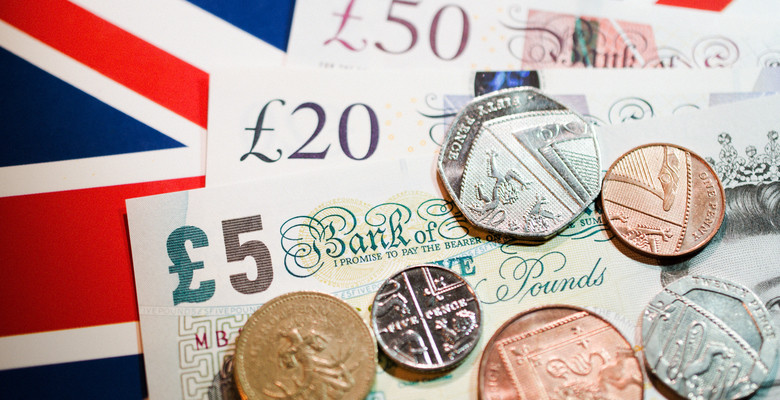
The British currency did not show the expected movements last week. It is worth noting that over the past five days, several significant reports were released in the UK, including data on inflation, unemployment, wages, and business activity. In addition, the Bank of England held its last meeting of the year. In the U.S., reports on the labor market, unemployment, inflation, and business activity were released, and just a week prior, the Federal Reserve meeting occurred. There are times when important reports yield absolutely mundane figures, and central bank meetings end without any significant decisions. None of the aforementioned events fell into that category. However, the GBP/USD instrument has traded between 1.3280 and 1.3449 over the past two weeks. This range cannot be considered small or narrow, but my readers clearly did not anticipate seeing a sideways market.
If the market had no desire to trade during a period filled with a multitude of reports and events, that desire may be even less during the Christmas and New Year week. The only important event in the UK next week is the third-quarter GDP final estimate. However, it still does not spark much excitement for me, as the immense amount of statistical information released over the last two weeks did not prompt the market to move in any direction. I believe the current year will conclude in a dull, prosaic manner.
Based on my analysis of EUR/USD, I conclude that the instrument continues to build an upward trend. Donald Trump's policy and the Federal Reserve's monetary policy remain significant factors in the long-term decline of the U.S. dollar. The targets for the current trend segment could extend up to the 25th figure. The current upward wave collection is starting to develop, and I believe we are now observing the formation of an impulse wave set, which is part of global wave 5. In this case, we should expect growth with targets around 1.1825 and 1.1926, corresponding to 200.0% and 261.8% on the Fibonacci scale.
The wave structure for GBP/USD has changed. The downward corrective structure a-b-c-d-e in C at 4 appears to be complete, as does the entire wave 4. If this is indeed the case, I expect the primary trend segment to resume building, with initial targets around the 38 and 40 figures.
In the short term, I anticipated the construction of wave 3 or C, with targets located around the 1.3280 and 1.3360 levels, equating to 76.4% and 61.8% on the Fibonacci scale. These targets have been reached. Wave 3 or C continues to develop, but three unsuccessful attempts to break the 1.3450 mark, which corresponds to 61.8% on the Fibonacci scale, are causing concern—could wave D in 4 now be starting?





















 コンタクトする