Tisková mluvčí Bílého domu Karoline Leavittová tento týden prohlásila, že nový daňový zákon prezidenta Donalda Trumpa nezvýší federální rozpočtový deficit.
Podle ní návrh obsahuje největší úspory v dějinách USA a v příštím desetiletí „ušetří 1,6 bilionu dolarů“. Toto tvrzení však okamžitě vzbudilo pozornost expertů, protože podle nezávislých ekonomických modelů je realita složitější.
Na první pohled se číslo 1,6 bilionu dolarů skutečně zakládá na pravdě – odkazuje na úspory ve výdajích, které návrh zákona přináší. Tento údaj však nezahrnuje náklady na rozsáhlé daňové škrty, jež tvoří hlavní část celého legislativního balíku. Pokud se vezmou v úvahu všechny položky, výsledná bilance je podle Penn Wharton Budget Model zcela odlišná.
Podle této respektované nezávislé analýzy by návrh zvýšil primární deficit o 3,2 bilionu dolarů během příštího desetiletí – a to ještě před započtením nákladů na úroky z dluhu. Jinými slovy: i když návrh skutečně snižuje některé výdaje, ve svém celku prohlubuje strukturální schodek federálního rozpočtu.
Mezi největší nákladové položky patří prodloužení daňových škrtů z roku 2017, které byly původně navrženy jako dočasné. Dále jde o zavedení nových daňových úlev pro přesčasy, snížení úroků z půjček na auta a zvýšení stropu pro daňový odpočet státních a místních daní (tzv. SALT deduction). Tyto daňové výhody ale logicky znamenají nižší příjmy do rozpočtu.

Podle vysokého úředníka Bílého domu je výpočet modelu Penn Wharton „nepřesný“. Tvrdí, že díky daňovým škrtům dojde k vyššímu hospodářskému růstu, který povede k vyšším příjmům z daní, a tím se údajné rozpočtové ztráty částečně nebo úplně vykompenzují. Tento přístup však bývá mezi ekonomy považován za optimistický a obtížně doložitelný.
Zákon přitom obsahuje i škrty v sociálních programech, jako jsou Medicaid (zdravotní péče pro chudé) a potravinové lístky, které mají rozpočtové dopady návrhu alespoň částečně vyvážit. Ani tyto úspory však podle modelu Penn Wharton nestačí pokrýt rozsah daňových škrtů, které jsou podstatně větší.
Nezanedbatelné je také to, koho zákon ve výsledku ovlivní. Odhady ukazují, že nižší příjmové skupiny na zákonu ztratí, zatímco bohatší vrstvy výrazně získají. Konkrétně domácnosti v dolních 20 % příjmového spektra přijdou o více než 1 000 dolarů ročně, zatímco horních 10 % si rozdělí přibližně dvě třetiny všech daňových výhod.
Prezident Trump v úterý osobně navštívil Kapitol, aby se setkal s republikánskými zákonodárci. Tématem bylo hledání kompromisů v klíčových bodech daňového návrhu, zejména pokud jde o škrty v programu Medicaid a o finální podobu SALT odpočtu, který má vliv především na daňové poplatníky v bohatších státech jako Kalifornie nebo New York.
Vzhledem k tomu, že republikáni kontrolují Sněmovnu reprezentantů, mají silnou pozici k prosazení zákona, ale některé návrhy narážejí na odpor i uvnitř strany. Škrty v Medicaid a snižování výdajů na sociální programy jsou pro některé konzervativce atraktivní, zatímco měkčí křídlo GOP má obavy z negativního dopadu na své voliče.
Tisková mluvčí Leavittová trvá na tom, že návrh zákona je zodpovědnou reformou, která nepovede k růstu deficitu. Ekonomové a analytici však na základě dostupných údajů dospívají k jinému závěru.
Tvrzení o „největších úsporách v dějinách USA“ není zcela nepodložené, ale vytržení z kontextu může být zavádějící. Pokud se na legislativu podíváme v celku, pak je jasné, že škrty výdajů jsou převáženy masivními daňovými úlevami, jejichž přínos pro hospodářský růst je nejistý.
Rozpočtová analýza podle standardních ekonomických modelů naznačuje, že návrh zákona významně zvyšuje strukturální deficit, a to i při započtení pozitivních efektů na HDP. Z politického hlediska jde však také o posílení Trumpovy volební agendy, která staví na snižování daní a redukci federální vlády.
Daňový návrh se tak stává nejen klíčovým prvkem fiskální politiky, ale také lakmusovým papírkem pro budoucí směřování ekonomiky USA. Otázka nezní jen, zda návrh „šetří“, ale kdo skutečně šetří – a kdo nakonec zaplatí účet.

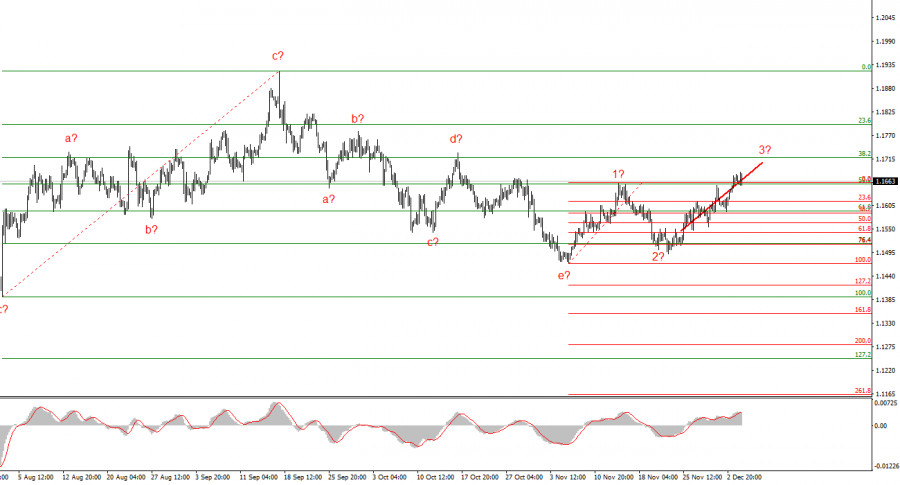
The wave structure on the 4-hour EUR/USD chart has shifted but remains quite understandable overall. There is no talk of canceling the upward trend that began in January 2025, but the wave structure has become significantly more complex and extended since July 1. In my view, the instrument has completed the formation of corrective wave 4, which took on a very unconventional form. Within this wave we observe exclusively corrective patterns, so there is no doubt about the corrective nature of the decline.
In my opinion, the formation of the upward trend segment is not yet complete, and its targets extend all the way up to the 1.25 level. The a-b-c-d-e series appears complete; therefore, in the coming weeks I expect the formation of a new upward wave sequence. We have seen the presumed waves 1 and 2, and the instrument is now forming wave 3 or c. I expect that within this wave the instrument will rise at least to 1.1717, which corresponds to the 38.2% Fibonacci level. I also do not rule out a scenario in which the upward wave sequence takes on a five-wave structure.
The EUR/USD exchange rate barely changed on Thursday but maintained a bullish mood. Let me remind you that this week saw at least four important economic indicators released for the U.S. and the Eurozone. In Europe, November inflation came out slightly above market expectations. However, the 2.2% annual reading places no pressure on the ECB's monetary policy stance. More important reports came from the U.S., including ISM Manufacturing and Services PMIs. Manufacturing came in below expectations, while services came in above them—overall a neutral outcome.
But the ADP report cannot be called "neutral" under any circumstances. Despite minimal market expectations (only +5–10 thousand new jobs), even those were not met. The U.S. labor market lost 32,000 jobs. While this figure may not be entirely precise—ADP does not account for some sectors—the private sector did lose that number of employees. Moreover, this reflects the sum of hiring, firing, and layoffs. In other words, businesses may have been actively hiring but experienced even more layoffs. Businesses may not have implemented targeted reductions, but workers could have quit on their own.
This report indicates that the labor market continues to cool, and the Federal Reserve will have to cut interest rates next week for the third time in a row, without waiting for the release of Nonfarm Payrolls and the unemployment rate. Demand for the currency is falling this week, which fully aligns with the current wave picture and my expectations. However, I note that the nature of the current rise is clearly not impulsive. Therefore, what we are seeing now is the formation of another corrective structure.
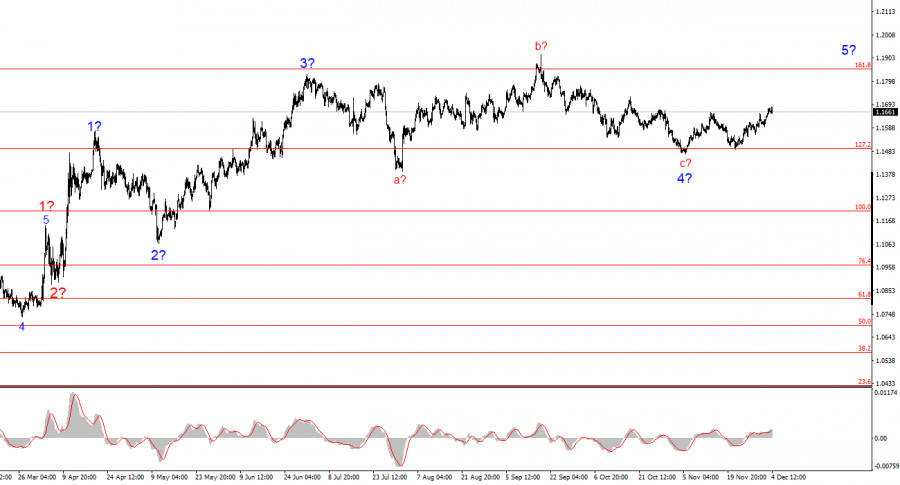
Based on my analysis of EUR/USD, I conclude that the instrument continues to form an upward trend segment. Over the last few months, the market has taken a pause, but the policies of Donald Trump and the Federal Reserve remain significant factors that could weaken the U.S. dollar in the future. The targets of the current trend segment may extend up to the 1.25 level. For now, the upward wave sequence may continue to form. I expect that from current levels, the formation of the third wave of this sequence will continue, which may be either wave c or wave 3. At the moment, I remain in long positions, with targets in the 1.1670–1.1720 level.
On the smaller scale, the entire upward trend segment is visible. The wave structure is not the most standard, as the corrective waves vary in size. For example, the larger wave 2 is smaller than the internal wave 2 within wave 3. However, this can happen. Let me remind you that it is best to identify clear structures on charts rather than trying to label every single wave. Right now, the bullish structure raises no doubts.
Key principles of my analysis:





















 コンタクトする